
Cameroon Internet Connectivity Guide: Navigating Mobile, Public WiFi, and Data Privacy
Comprehensive guide to internet connectivity in Cameroon. Discover major ISPs, mobile networks, public WiFi safety, and data privacy laws for residents and travelers.
Travel & connectivity tips
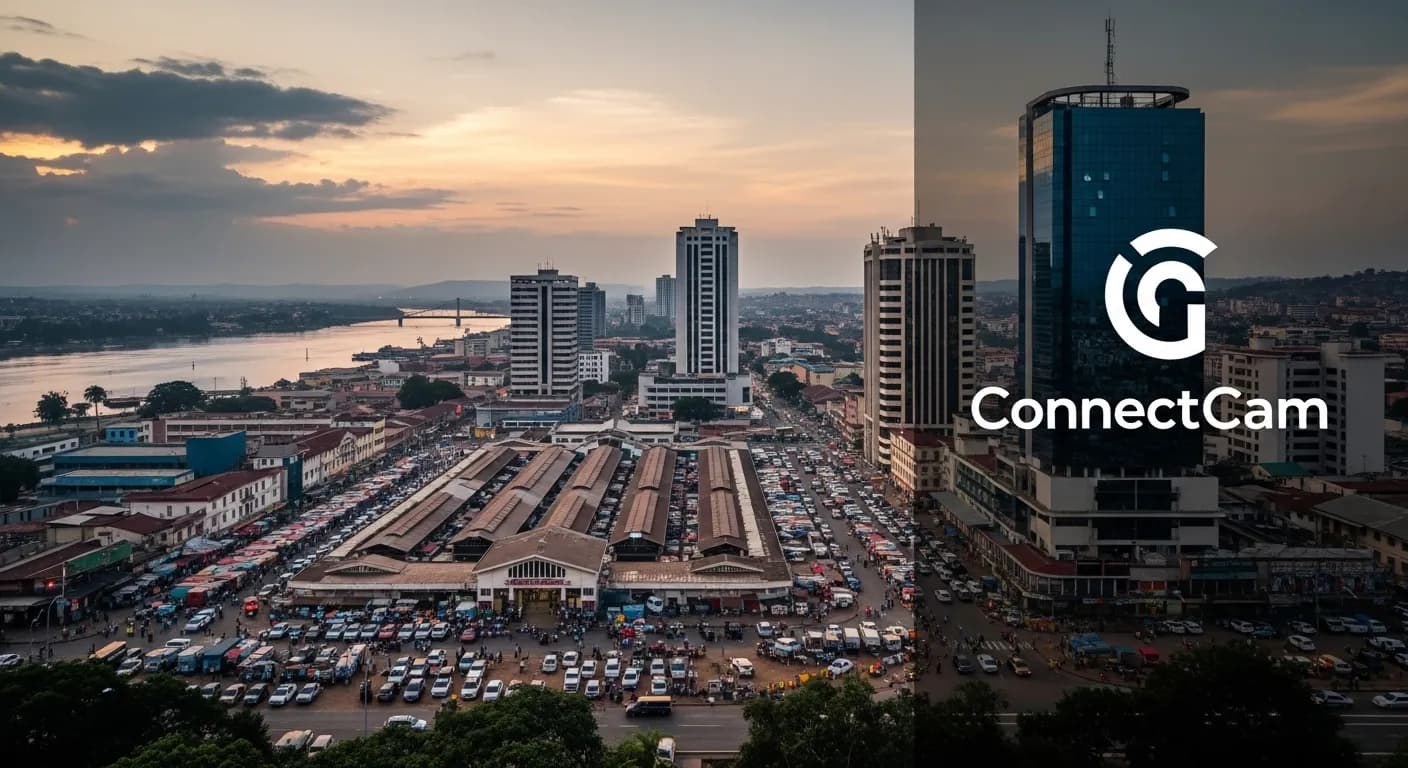
Cameroon, often referred to as 'Africa in Miniature,' presents a dynamic and evolving landscape for internet connectivity. From bustling urban centers like Douala and Yaoundé to remote rural areas, understanding the nuances of its digital infrastructure is crucial for both residents and international visitors. This section provides a comprehensive overview of internet speeds, major Internet Service Providers (ISPs), mobile network capabilities including 5G availability, and practical tips for staying connected reliably and securely across the nation.
Understanding Internet Speeds and Infrastructure
Internet speeds in Cameroon vary significantly depending on the region, the type of service, and the provider. While fibre optic infrastructure is expanding, particularly in major cities, a substantial portion of the population still relies on mobile broadband for their primary internet access.
Fixed-Line Connectivity (Fibre Optic and ADSL)
Camtel, the state-owned telecommunications company, remains a significant player in fixed-line infrastructure, providing both fibre optic (FTTH/FTTB) and ADSL services. Camtel has been instrumental in deploying the national fibre backbone. In urban areas, businesses and residential subscribers can access relatively high-speed fibre connections, often ranging from 10 Mbps to 100 Mbps, with premium packages offering even higher speeds. However, fibre penetration outside of major urban centers remains limited. ADSL services, while more widely available than fibre in some secondary towns, offer considerably slower speeds, typically peaking at 4-8 Mbps, and are gradually being phased out or supplemented by more modern alternatives.
Mobile Broadband (3G, 4G, and Emerging 5G)
Mobile broadband is the dominant form of internet access for most Cameroonians. The market is primarily competitive, driven by three main operators:
- MTN Cameroon: A subsidiary of the South African telecommunications giant, MTN is the market leader. It offers extensive 3G and 4G LTE coverage across the country, boasting some of the fastest mobile data speeds. MTN consistently invests in network expansion and upgrades, providing a wide array of data bundles and services catering to various consumer needs.
- Orange Cameroon: A subsidiary of the French multinational, Orange is MTN's primary competitor, offering comparable 3G and 4G LTE services with strong coverage in urban and semi-urban areas. Orange also provides competitive data packages and has a robust customer service presence.
- Nexttel (Viettel Cameroon): As the third major player, Nexttel, a joint venture with Vietnam's Viettel, entered the market with a focus on 3G and has since expanded its 4G LTE network. Nexttel often targets price-sensitive segments and aims for broader rural coverage, making it a viable option in areas where MTN and Orange may have weaker signals.
5G Availability and Future Outlook
As of my last update, commercial 5G deployment in Cameroon is in its nascent stages. While there have been trials and limited deployments, particularly by MTN and Orange in select high-traffic urban zones like parts of Douala and Yaoundé, widespread commercial availability is not yet a reality. The regulatory framework, spectrum allocation, and significant infrastructure investment are ongoing processes. Users should expect 5G to become more prevalent in the coming years, starting with urban hotspots before gradually expanding. For now, 4G LTE remains the primary high-speed mobile standard.
Practical Connectivity Tips for Travelers and Residents
For Travelers:
- Local SIM Cards are Essential: Roaming charges can be exorbitant. Upon arrival, purchase a local SIM card from MTN, Orange, or Nexttel. These are readily available at the airport, official stores, and numerous street vendors. Prices for SIM cards are generally low, and data bundles are affordable.
- SIM Registration Requirements: Be prepared to provide a valid form of identification (passport for foreigners, national ID for residents) and biometric data (fingerprints) for SIM card registration, as mandated by the Agence de Régulation des Télécommunications (ART). This process is strict and essential for activation.
- Check Coverage Maps: Before committing to a specific provider, consult their official coverage maps, especially if you plan to visit remote areas. MTN and Orange generally offer the most extensive and reliable coverage.
- Portable WiFi/MiFi Devices: For those needing constant connectivity across multiple devices, consider purchasing a MiFi device from a local provider. These offer a personal WiFi hotspot using a mobile SIM card.
- eSIM Options: While less common, some international eSIM providers might offer data plans for Cameroon. Check compatibility and pricing, though local physical SIMs often provide better value.
- Power Banks: Electricity outages are not uncommon. A portable power bank is invaluable for keeping your phone and other devices charged, ensuring uninterrupted connectivity.
For Residents:
- Assess Your Needs: Determine whether fixed-line fibre (for heavy usage, stability) or mobile broadband (for portability, flexibility) best suits your home or business needs. Consider a hybrid approach with mobile as a backup.
- Compare Data Bundles: All three major mobile operators offer a variety of daily, weekly, and monthly data bundles. Frequently compare their offerings, as promotions and bundle sizes can change. MTN and Orange often provide competitive ‘all-in-one’ bundles that include data, calls, and SMS.
- Fibre Optic for Reliability: If available in your area and within budget, a fibre optic connection from Camtel or another emerging provider will offer the most stable and highest-speed internet experience for residential and business use.
- Understand Fair Usage Policies: Be aware of fair usage policies on unlimited or large data bundles, which might throttle speeds after a certain threshold.
- Seek Local Advice: Consult with neighbors, colleagues, or local businesses about their experiences with different providers in your specific locality. Network performance can vary significantly even within the same city.
- Backup Connectivity: Given the occasional service disruptions, having a backup plan (e.g., a SIM from a different network or a portable MiFi device) is a prudent strategy.
By understanding the landscape and applying these practical tips, users can navigate Cameroon's internet connectivity with greater confidence and efficiency, ensuring they remain connected whether for work, leisure, or communication.
Local connectivity laws
Cameroon's digital landscape is governed by a framework of laws and regulations designed to manage telecommunications infrastructure, ensure data protection, and regulate online behavior. As an emerging digital economy, the nation navigates the complexities of fostering innovation while safeguarding national security, privacy rights, and public order. This section delves into the key regulatory bodies, data protection laws, privacy regulations, online safety measures, and the sensitive issue of internet censorship in Cameroon.
The Regulatory Framework: Agence de Régulation des Télécommunications (ART)
At the forefront of telecommunications regulation in Cameroon is the Agence de Régulation des Télécommunications (ART). Established by Law No. 98/014 of July 14, 1998, and subsequently updated, ART is the primary regulatory body overseeing the telecommunications and electronic communications sector. Its mandate includes:
- Licensing: Granting and monitoring operating licenses for telecommunications service providers, including mobile network operators and internet service providers.
- Spectrum Management: Allocating and managing radio frequency spectrum.
- Interconnection: Regulating interconnection agreements between operators to ensure fair competition and seamless service delivery.
- Consumer Protection: Addressing consumer complaints and ensuring quality of service.
- Tariff Approval: Approving tariffs for telecommunications services.
- Technical Standards: Defining and enforcing technical standards for equipment and networks.
ART plays a critical role in ensuring an orderly and competitive telecommunications market, thereby directly influencing internet connectivity and service quality across Cameroon.
Data Protection and Privacy Regulations
Unlike many Western nations with a single, comprehensive data protection law (like GDPR), Cameroon's approach to data protection is somewhat more fragmented, drawing from various legislative instruments. The foundational laws governing electronic communications and cybersecurity are crucial:
Law No. 2010/012 of December 21, 2010, on Cybersecurity and Cybercrime: This landmark legislation addresses various aspects of cybersecurity, including the protection of information systems, combating cybercrime, and establishing legal frameworks for electronic transactions. It contains provisions related to the unauthorized access to data, data interception, and the integrity of computer systems, which indirectly contribute to data protection. While not a standalone data protection act, it criminalizes many actions that would constitute data breaches or privacy violations.
Law No. 2010/013 of December 21, 2010, on Electronic Communications: This law regulates the provision of electronic communication services and networks. It includes provisions that touch upon the confidentiality of communications and the obligation of operators to ensure the security of their networks and the data transmitted through them.
Law No. 2010/021 of December 21, 2010, on Telecommunications: This law sets the general framework for telecommunications in Cameroon, outlining the rights and obligations of operators and users. It implicitly requires operators to handle subscriber data responsibly.
Key Aspects of Privacy Regulations:
- SIM Card Registration: A critical aspect of privacy regulation is the mandatory biometric SIM card registration. As enforced by ART, all SIM card users must register their lines using a valid ID and fingerprints. This policy, while aimed at combating crime and enhancing national security, means that personal data (including biometric information) is collected and stored by mobile network operators. Users have limited control over this data once submitted, raising concerns about data retention and access by authorities.
- Confidentiality of Communications: The laws generally uphold the principle of confidentiality of electronic communications. However, this is often subject to exceptions, particularly for lawful interception by state authorities in cases of criminal investigation or national security concerns, usually requiring a judicial warrant.
- Data Retention: While a specific, comprehensive data retention policy for all types of data may not be explicitly codified like in some other jurisdictions, telecommunications operators are generally required to retain certain subscriber and traffic data for a period as stipulated by regulatory directives for investigative purposes. The exact duration and scope can vary.
Online Safety and Cybersecurity Initiatives
Cameroon has shown increasing commitment to promoting online safety and combating cybercrime. The 2010 Cybersecurity Law is foundational in this regard, criminalizing offenses such as:
- Illegal access to computer systems.
- Data interference and system interference.
- Computer-related fraud and forgery.
- Child pornography and online exploitation.
Government bodies, often in collaboration with international organizations, conduct awareness campaigns to educate citizens on safe internet practices, especially targeting children and young people. Efforts are made to strengthen the national Computer Emergency Response Team (CERT) to respond to cyber threats and incidents.
Internet Censorship and Freedom of Expression
Internet censorship and control of online content remain sensitive and significant issues in Cameroon. While the constitution guarantees freedom of expression, practical applications have at times seen government intervention:
- Internet Shutdowns: Cameroon has a history of internet shutdowns, most notably during the Anglophone crisis between 2017 and 2018, when internet services were severely restricted or completely cut off in the North West and South West regions for extended periods. These actions were widely criticized by human rights organizations as infringements on freedom of expression and access to information.
- Social Media Monitoring: There is evidence of government monitoring of social media and online platforms, particularly concerning content deemed to incite civil unrest, disseminate false information, or criticize the government. While not overtly censoring content as a routine practice, the potential for content removal or legal action against users remains.
- Legal Basis for Content Control: The 2010 Cybersecurity Law provides broad powers to authorities to investigate and prosecute online offenses, which can sometimes be interpreted to include speech deemed problematic. The Agence Nationale des Technologies de l'Information et de la Communication (ANTIC) also plays a role in cybersecurity and potentially in content analysis.
While Cameroon is making strides in digital infrastructure and online safety, the balance between national security, public order, and individual rights, particularly freedom of expression and data privacy, remains an ongoing challenge. Users and businesses operating in Cameroon must be cognizant of this evolving legal landscape to ensure compliance and protect their digital footprint.
For venue operators
In Cameroon, providing public WiFi services—whether in hotels, cafes, shopping malls, or other commercial establishments—comes with a distinct set of legal and technical obligations. These requirements are primarily driven by the national telecommunications regulatory framework, cybersecurity laws, and broader public policy objectives related to national security and consumer protection. Businesses must navigate these responsibilities to ensure compliance, maintain network security, and provide a reliable service to their patrons.
Legal Obligations for Public WiFi Providers
Businesses offering public WiFi are not merely providing an amenity; they are acting as internet service providers (ISPs) to their guests and thus fall under certain regulatory oversight, albeit usually through their upstream ISP.
Registration and Licensing: While individual businesses providing guest WiFi typically do not need their own ISP license, they must ensure that their upstream internet provider (e.g., Camtel, MTN Business, Orange Business) is fully licensed by the Agence de Régulation des Télécommunications (ART). Businesses should operate within the terms of service of their primary ISP, which often includes prohibitions against reselling internet access without proper authorization or specific commercial agreements.
Data Retention Requirements: This is a critical and often overlooked obligation. Due to the 2010 Law on Cybersecurity and Cybercrime and subsequent regulatory directives, businesses offering public internet access are generally expected to retain logs of user connections. This typically includes:
- Timestamp of connection/disconnection: When a user accessed and left the network.
- User identification data: This can be tricky for public WiFi. Some businesses opt for a captive portal that requires an email address, phone number, or even an ID scan (in hotels) for access. This data, if collected, must be stored securely.
- Assigned IP address: The internal IP address assigned to the user's device.
- MAC address of the connecting device: Unique identifier for the user's hardware.
- Visited URLs (in some interpretations): While full content logging is highly intrusive and generally not enforced for casual public WiFi, aggregated traffic data might be required. The primary goal is to identify users in case of illicit activities conducted on the network. These logs are crucial for law enforcement investigations and must be stored for a specified period (which can range from six months to several years, depending on specific ART directives), securely and confidentially.
Intermediary Liability: Businesses acting as public WiFi providers can potentially face intermediary liability for illegal activities conducted by their users (e.g., copyright infringement, cybercrime, hate speech). While direct liability is often complex to prove, authorities may seek assistance from the provider to identify offenders. This underscores the importance of robust logging and a clear Acceptable Use Policy (AUP).
Data Protection Principles (if collecting PII): If a business requires users to provide personally identifiable information (PII) like names, email addresses, or phone numbers to access WiFi (e.g., via a captive portal), they are then obligated to protect that data. This involves:
- Transparency: Clearly informing users what data is collected, why, and how it will be used/stored.
- Consent: Obtaining explicit consent for data collection beyond what is strictly necessary for network access.
- Security: Implementing appropriate technical and organizational measures to prevent unauthorized access, loss, or disclosure of collected data.
- Purpose Limitation: Using collected data only for the stated purposes.
Child Online Protection: Businesses should consider implementing basic content filtering to protect minors from accessing inappropriate content, especially in family-friendly venues. While not always explicitly mandated, it is a responsible practice.
Technical Obligations and Best Practices
Beyond legal compliance, technical considerations are paramount for providing a secure, reliable, and user-friendly public WiFi service.
Secure Network Setup (WPA2/WPA3 Enterprise): While many public WiFi networks use open (unsecured) access for simplicity, implementing WPA2 or, ideally, WPA3 encryption for guest networks with a captive portal is a best practice. Even an open network should be segmented from the business's internal network to prevent unauthorized access to sensitive operational data.
Captive Portal Implementation: A captive portal is a web page that users must view and interact with before gaining full internet access. It serves several crucial functions:
- Authentication: Can require users to log in (e.g., with a temporary password provided by staff, social media login, or email registration).
- Terms of Service (ToS) / Acceptable Use Policy (AUP): Ensures users explicitly agree to the rules of engagement, including limitations on illegal activities. This is vital for mitigating intermediary liability.
- Data Collection: Facilitates the collection of user data (e.g., email, phone number) for regulatory compliance and marketing purposes (with consent).
- Branding and Information: Allows businesses to present their brand, promotions, or important information to users.
Bandwidth Management and Quality of Service (QoS): Public WiFi networks can quickly become congested. Businesses should implement QoS rules to prioritize critical traffic (e.g., POS systems, internal operations) and ensure fair bandwidth allocation among guests, preventing a few users from monopolizing the connection.
Network Segmentation: The public guest WiFi network must be completely separate from the business's internal network (e.g., for POS, inventory, back-office computers). This is a fundamental security measure to prevent guests from accessing sensitive business data or introducing malware into the internal network.
Firewall and Intrusion Detection/Prevention Systems (IDPS): Deploying robust firewalls and IDPS solutions is crucial for monitoring network traffic, blocking malicious attacks, and identifying suspicious activities.
Regular Maintenance and Updates: WiFi routers, access points, and captive portal software must be regularly updated with the latest security patches to protect against known vulnerabilities.
Sufficient Coverage and Capacity: Ensure enough access points are deployed to provide adequate signal strength and capacity, particularly in areas with high user density. Dropped connections or slow speeds lead to poor user experience.
By diligently addressing both the legal obligations and technical best practices, businesses in Cameroon can offer a secure, compliant, and high-quality public WiFi service, enhancing customer experience while protecting themselves from potential risks.
For your guests
As internet connectivity expands across Cameroon, so do the associated cybersecurity risks for end-users. From bustling internet cafes in Douala to private home networks in Yaoundé, understanding potential threats and adopting robust security practices is paramount. This section provides essential cybersecurity advice for individuals, covering the perils of open public hotspots, the utility and legality of Virtual Private Networks (VPNs), and awareness regarding spoofing risks, empowering users to protect their digital footprint.
The Perils of Open Public Hotspots
Public WiFi hotspots are convenient, offering free internet access in cafes, hotels, airports, and malls. However, their convenience often comes at the cost of security, especially for networks that are open (unencrypted or using only WPA/WPA2 Personal with a shared password). In Cameroon, as elsewhere, these networks pose significant risks:
- Data Interception (Man-in-the-Middle Attacks): Unsecured public WiFi networks are prime targets for attackers. Without encryption, data transmitted over these networks can be easily intercepted by anyone with basic hacking tools. Attackers can snoop on your browsing activity, steal login credentials, and even access sensitive personal information.
- Malware Injection: Malicious actors can set up rogue access points (evil twins) that mimic legitimate public WiFi networks. Once connected, these networks can be used to inject malware onto your device, compromise your system, or redirect you to phishing sites.
- Session Hijacking: Attackers can steal your session cookies, allowing them to impersonate you on websites you are logged into (e.g., social media, banking sites) without needing your password.
- Lack of Accountability: It's often difficult to ascertain who operates a public WiFi network and what security measures they have in place. In Cameroon, while businesses are expected to log user data, the security of these logs themselves can vary.
Advice for Using Public Hotspots:
- Assume No Privacy: Always assume that any data transmitted over an unsecured public WiFi network can be intercepted.
- Avoid Sensitive Transactions: Refrain from accessing online banking, making purchases, or logging into sensitive personal accounts while connected to public WiFi.
- Verify Network Name: Always double-check the exact name of the WiFi network to ensure you're connecting to the legitimate one, not a spoofed